

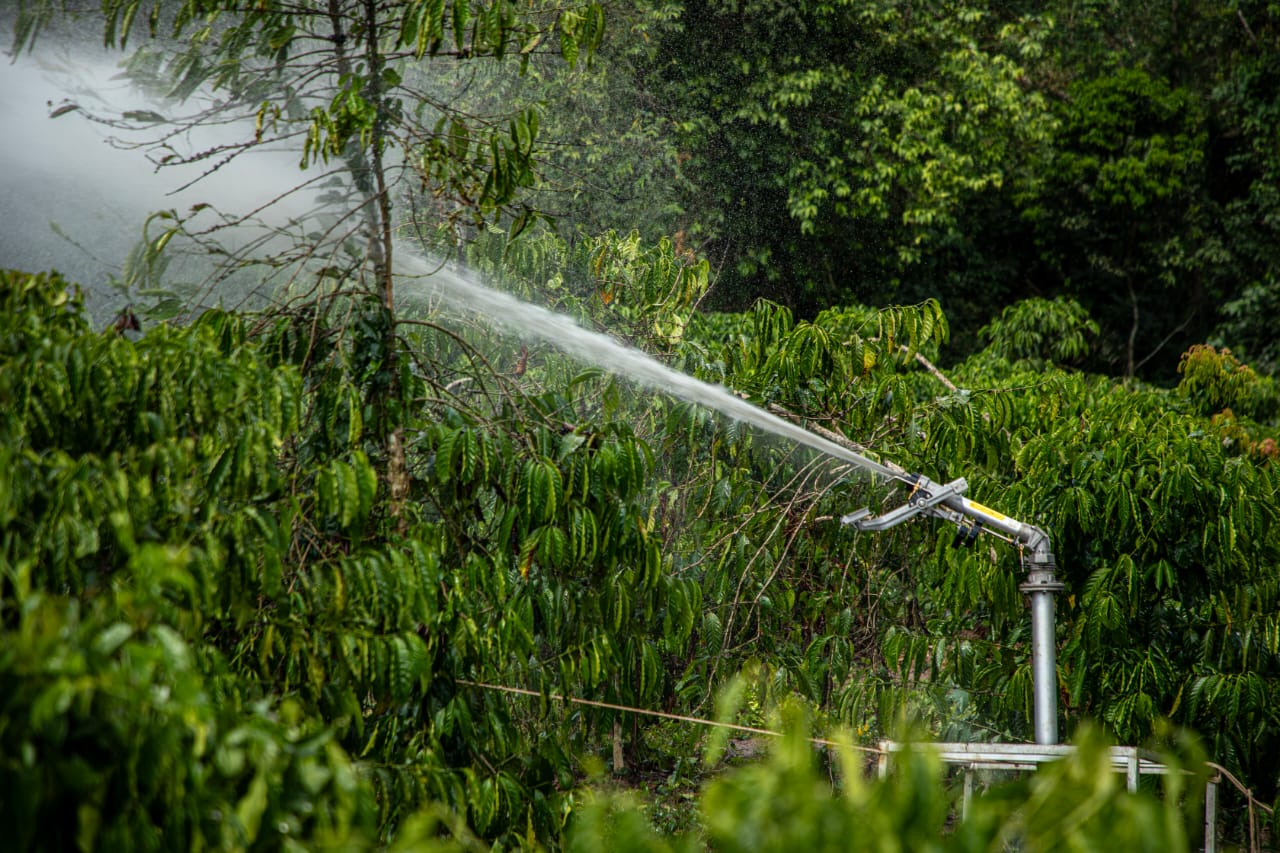
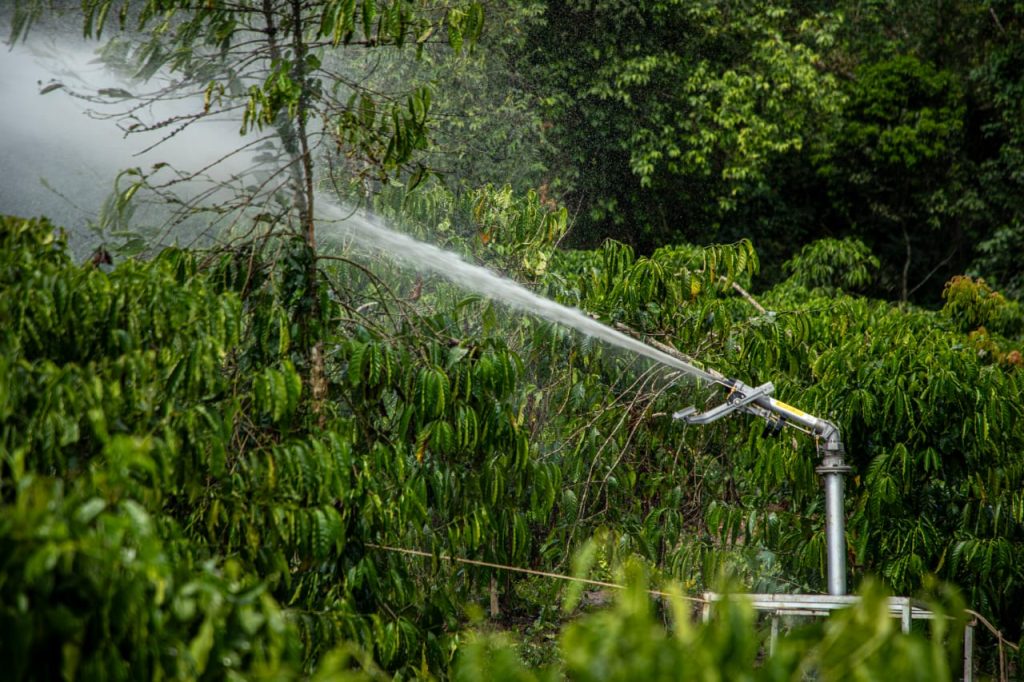
Agriculture depends heavily on water. For many farmers, rainfall is the main source of water for crops. However, rainfall is not always reliable, and dry periods can affect crop growth, farm activities and production.
This is where irrigation can play an important role.
Irrigation is the controlled application of water to crops and farmland when it is needed. When properly planned and managed, an irrigation system can help farmers use available water more effectively and support agricultural production during periods when rainfall is insufficient.
But irrigation is not simply about adding more water to a farm. The right system should be designed according to the crop, soil, water source, farm size, terrain and production needs.
Here are some reasons why irrigation matters in modern farming.
1. It Helps Farmers Manage Water
One of the biggest benefits of irrigation is giving farmers greater control over when and where water is applied.
Instead of depending entirely on rainfall, farmers can supplement available moisture when crops require additional water.
Good water management is particularly important during dry periods when crops may experience water stress.
2. It Can Support Production During Dry Periods
Rainfall patterns can change from season to season. A prolonged dry period can affect crops at important stages of growth.
A properly designed irrigation system can provide additional water when natural rainfall is not enough.
This does not mean irrigation replaces rainfall completely. Rather, it can serve as an additional tool for managing water availability on the farm.
3. It Can Improve Farm Planning
Reliable access to water can make it easier for farmers to plan certain agricultural activities.
Farmers can consider:
- When to plant
- When crops may need additional water
- How much water is available
- Which areas of the farm require irrigation
- How to manage water during dry periods
Better planning can help farmers use their available resources more efficiently.
4. It Can Support Different Types of Farming
Irrigation can be used in many agricultural systems when the appropriate system is selected.
For example, irrigation may support:
☕ Coffee farming
Helping manage water availability during periods when additional moisture may be needed.
🌱 Vegetable production
Providing controlled water application for crops that may require regular watering.
🍌 Crop production
Supporting crops during periods of insufficient rainfall.
🌾 Commercial farming
Helping larger agricultural enterprises manage water according to their production requirements.
The irrigation method and amount of water required will vary depending on the crop and farm conditions.
5. It Promotes Efficient Use of Water
Not all irrigation systems use water in the same way.
Modern irrigation systems can be designed to deliver water more precisely to areas where it is needed. This can help reduce unnecessary water loss when the system is properly designed, operated and maintained.
Farmers should therefore consider water efficiency when choosing an irrigation system.
The goal should not simply be to use more water, but to use the available water wisely.
6. It Can Help Reduce Dependence on Rainfall Alone
Rainfall remains extremely important to agriculture, but relying entirely on rainfall can expose farmers to the effects of unpredictable weather.
Having an appropriate irrigation system can provide an additional source of water management and help farmers respond to periods of inadequate rainfall.
However, irrigation is only one part of a successful farming system. Good soil management, appropriate crop selection, farm planning and other agricultural practices remain important.
Choosing the Right Irrigation System
Before installing an irrigation system, farmers should first understand their farm’s specific needs.
Important questions include:
Where will the water come from?
The available water source should be assessed to determine whether it is suitable and sufficient for the intended agricultural activity.
How large is the farm?
A small vegetable garden may require a very different system from a large commercial farm.
What crops are being grown?
Different crops have different water requirements.
What is the condition of the land?
The farm’s terrain and layout can influence the type and design of irrigation system required.
How will the system be maintained?
An irrigation system requires proper operation and maintenance. Farmers should consider the long-term cost and practical requirements before installation.
Irrigation Requires Proper Planning
Installing an irrigation system without first understanding the farm’s needs can result in wasted resources.
A good irrigation project should consider:
Water source → Farm assessment → Crop requirements → System design → Installation → Operation → Maintenance
Professional assessment can help identify a suitable solution for a particular farm or agricultural project.
Conclusion
Irrigation is becoming an increasingly useful tool for modern agriculture. It can help farmers manage water, support crops during dry periods, improve farm planning and make better use of available water resources.
However, there is no single irrigation system that is suitable for every farm. The right solution depends on the individual farm, its crops, water source, size, terrain and production goals.
Good irrigation begins with good planning.
Need an Irrigation Solution?
Rincken Agric Solutions Ltd. provides irrigation planning and installation services for agricultural projects.
If you are considering irrigation for your farm, contact us to discuss your requirements.
NEED IRRIGATION FOR YOUR FARM?
Leave a Reply