

Introduction
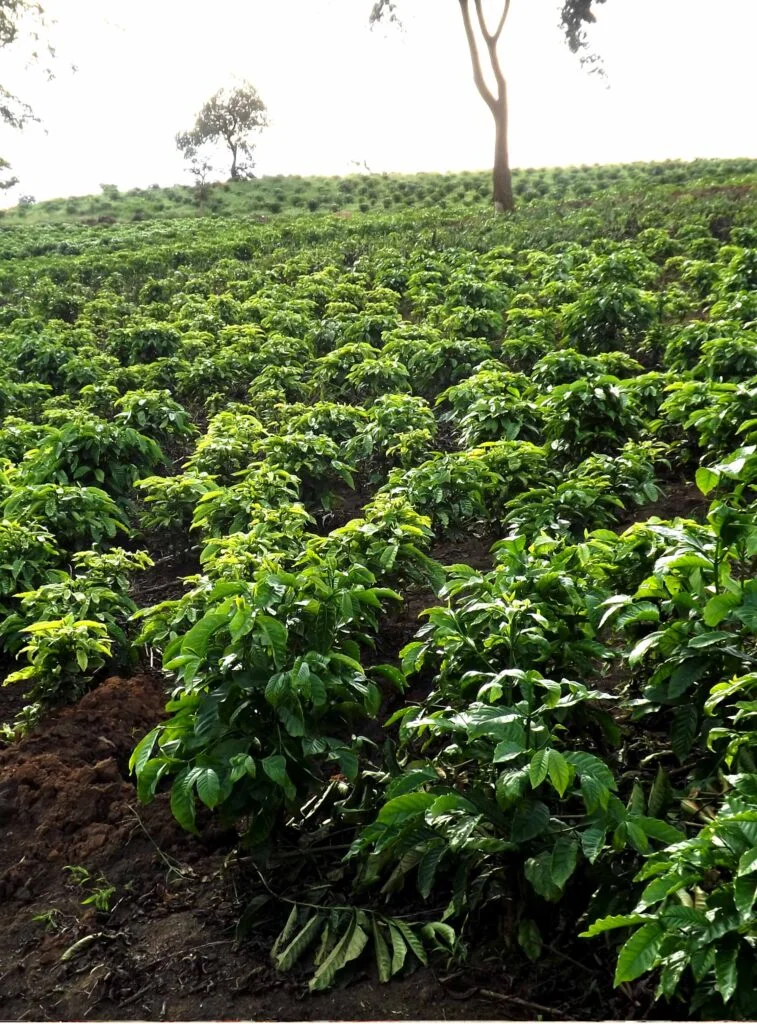
Coffee farming can be a rewarding agricultural enterprise when the farm is properly planned and managed. However, good coffee production does not happen by simply planting coffee trees and waiting for harvest. The farm needs regular care, proper planning, good record keeping and attention to the condition of the coffee plants.
Whether you are starting a new coffee farm or managing an established one, simple and consistent practices can help you keep your farm productive and easier to manage.
Here are some important practices every coffee farmer can consider.
1. Keep the Coffee Farm Clean
Weeds compete with coffee plants for water, nutrients and space. They can also make it difficult to move around the farm and identify problems affecting the plants.
Regularly control weeds around the coffee plants and keep pathways and other farm areas manageable.
However, avoid leaving bare soil unnecessarily. Appropriate ground cover and mulching can help protect the soil from erosion and loss of moisture.
Tip: Regular farm maintenance is usually easier than allowing weeds and unwanted vegetation to become overgrown.
2. Take Care of the Coffee Plants
Healthy coffee plants require regular attention.
Farmers should regularly walk through their gardens and look at the condition of the plants. Check for unusual leaves, poor growth, pest damage, disease symptoms or other problems.
Pruning and other plant-management practices should be carried out appropriately to remove unwanted growth and maintain a well-managed coffee plant.
Early identification of problems can make it easier to seek the right advice and take appropriate action.
3. Manage Soil and Moisture
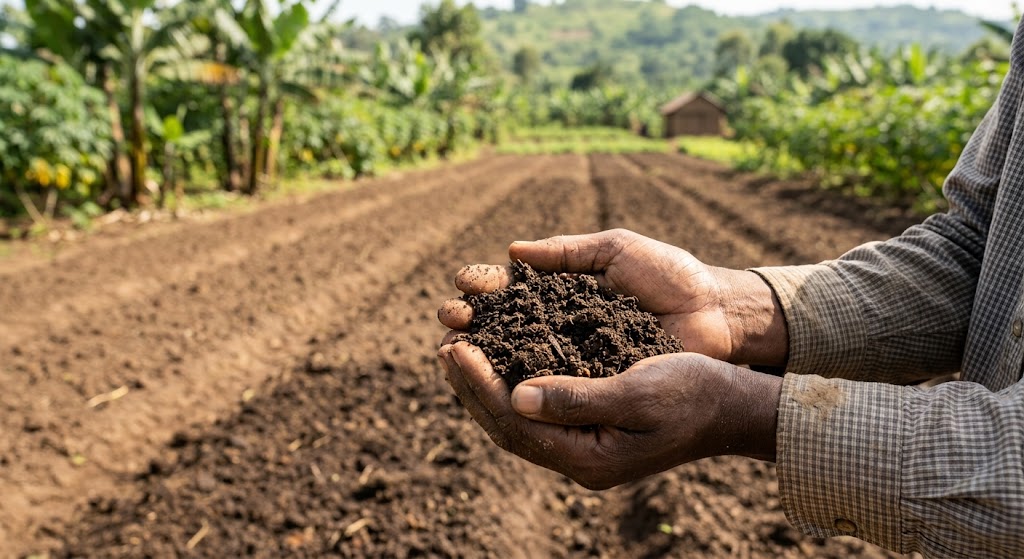
Good soil management is important for coffee production.
Where appropriate, farmers can use organic materials such as suitable plant residues as mulch around coffee plants. Mulching can help conserve soil moisture, suppress some weeds and add organic matter as it breaks down.
Farmers should also take steps to reduce soil erosion, especially on sloping land.
Remember: Good coffee farming starts with taking care of the soil that supports the coffee plants.
4. Manage Water Properly
Water is essential for plant growth. Coffee farms depend heavily on rainfall, but water availability can vary during different periods of the year.
Farmers should pay attention to water conservation and management practices that suit their location and farming system.
For farms where irrigation is appropriate, a properly planned irrigation system can provide additional water management support.
Before installing an irrigation system, it is important to consider factors such as the available water source, farm size, crops, terrain and water requirements.
5. Monitor Pests and Diseases
Pests and diseases can affect coffee plants and reduce production if they are not properly managed.
Farmers should regularly inspect their coffee plants rather than waiting until a problem becomes serious.
When you notice signs of pests or disease, seek advice from a qualified agricultural professional or extension worker before applying any treatment.
Avoid using agricultural chemicals without understanding what problem you are treating and how the product should be used safely.
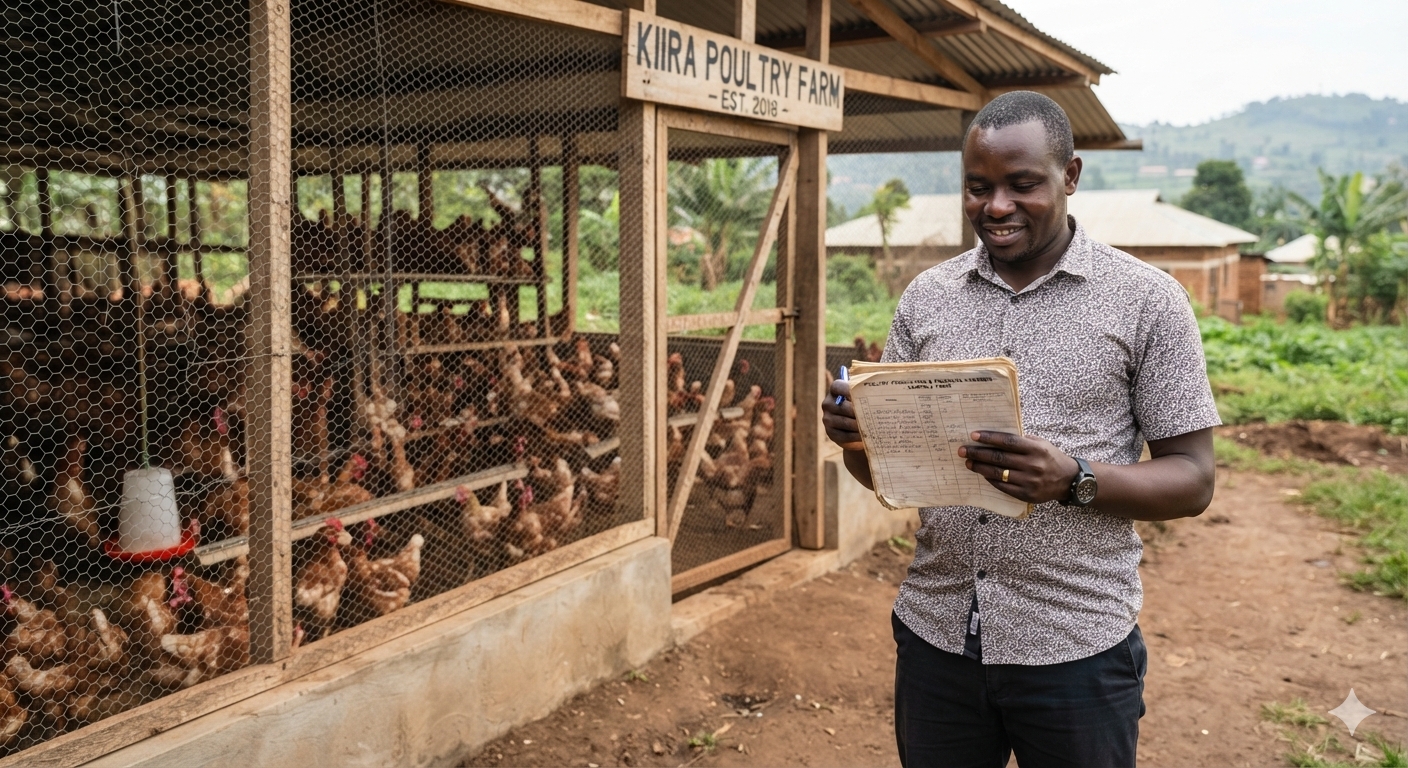
6. Maintain Good Farm Records
Record keeping is one of the simple practices that can make a big difference in farm management.
Keep records of important activities such as:
- Farm inputs
- Labour
- Pruning and maintenance
- Pest and disease management
- Harvesting
- Coffee sales
- Other farm expenses
Good records help farmers understand how much they are spending, how the farm is performing and where improvements may be needed.
A farm that keeps good records is easier to plan and manage.
7. Harvest Coffee Carefully
Good farm management continues through harvesting.
Coffee should be harvested appropriately and handled carefully to maintain quality. Farmers should avoid mixing poor-quality or damaged coffee with good produce.
Proper harvesting and post-harvest handling can contribute to better coffee quality and reduce unnecessary losses.
8. Plan Ahead
Successful farming requires planning.
Instead of waiting for problems to appear, farmers can plan important activities in advance. Consider what the farm will need during different periods of the year, including labour, inputs, farm maintenance and harvesting.
A simple farm calendar can help you remember important activities and organise your resources.
Final Thoughts
Better coffee farming does not always require complicated solutions. Regular observation, proper farm maintenance, good soil and water management, timely action and good record keeping can all contribute to better farm management.
Every coffee farm is different, so farmers should consider their local conditions and seek professional agricultural advice where necessary.
At Rincken Agric Solutions Ltd., we are committed to providing practical agricultural solutions and advisory services to farmers and agricultural enterprises.
Need support with your coffee farm?
Whether you are planning a new coffee project or looking for ways to improve an existing farm, talk to Rincken Agric Solution
Leave a Reply