

Every successful harvest in Uganda doesn’t start when the rains begin; it starts months before with a solid plan. Whether you are growing maize in Mubende, matooke in Mbarara, or coffee in Masaka, shifting from a mindset of “farming by chance” to “farming by planning” is the single most important decision you can make for your agribusiness.
Here is a practical guide on why preparation matters and how to plan your next season for maximum yields and profit.
1. Market Research: Know Your Buyer Before You Plant
The biggest mistake many Ugandan farmers make is planting a crop and looking for a market only after harvest. This often leads to selling at a loss to middlemen when there is a market glut.
- Action Plan: Before buying a single seed, visit local markets or contact buyers like agri-processors, schools, or exporters. Find out what crops are in high demand, the specific varieties buyers prefer, and when prices are typically highest.
2. Financial Budgeting: Track Every Shilling
Farming is a business, and every business needs a budget. A lack of financial planning often leads to running out of money midway through the season, meaning you cannot afford weeding or proper pest control.
- Action Plan: Write down all expected expenses before the season starts. Include seeds, fertilizers, land preparation, labor, and transport. Always keep a cash reserve (at least 10%) for unexpected challenges like a sudden pest outbreak.
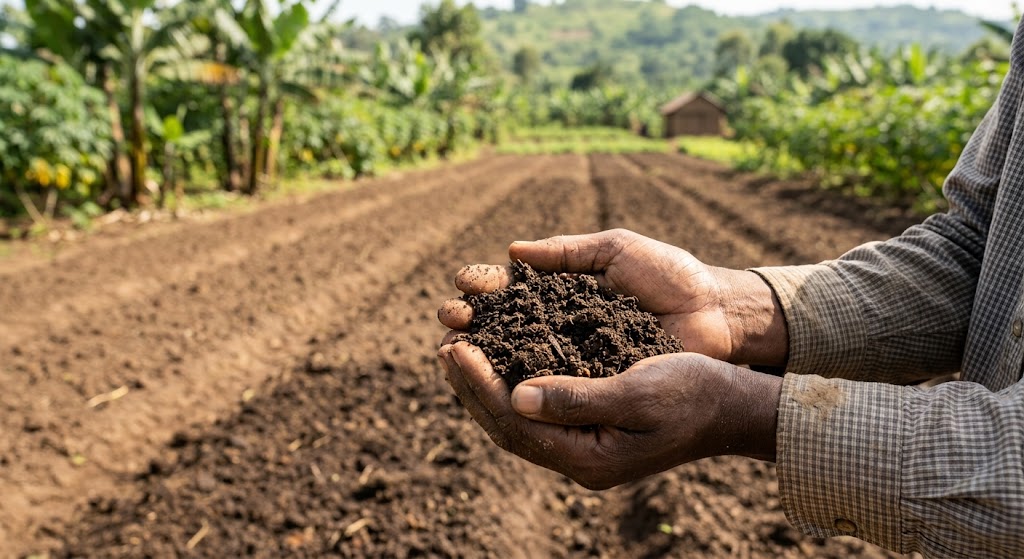
3. Soil Testing and Land Preparation
Your soil is your farm’s capital. Planting without knowing your soil’s health is like building a house without a foundation.
- Action Plan: Get your soil tested by local agricultural extension officers or certified labs to know which nutrients are missing. Start clearing your land early—at least a month before the first rains. Early land preparation allows weeds to decompose and helps the soil trap the first drops of rainwater effectively.
4. Sourcing Quality Inputs Early
Waiting until the first week of the rainy season to buy seeds or fertilizers often means buying fake inputs or facing high prices due to scarcity.
- Action Plan: Source certified seeds and genuine fertilizers early from registered agro-dealers verified by the Ministry of Agriculture, Animal Industry and Fisheries (MAAIF). Look out for verification e-tags on seed packaging to avoid counterfeit products.
5. Weather Awareness and Timing
With changing weather patterns in Uganda, relying entirely on traditional seasons can be risky.
- Action Plan: Follow seasonal weather updates from the Uganda National Meteorological Authority (UNMA). Plan your planting dates precisely around these forecasts to ensure your crops get enough water during their critical early growth stages.
The Bottom Line
Good preparation saves you time, reduces waste, and protects your hard-earned money. By taking time to analyze the market, test your soil, budget accurately, and buy genuine inputs early, you transition from a subsistence farmer to a profitable commercial agribusiness owner.
Remember: A successful harvest begins in the mind and on paper long before it reaches the garden.
Leave a Reply